
The Allure of Casino Gaming
Casino gaming captivates millions around the globe, embodying a unique blend of excitement, risk, and potential reward. The thrill of spinning a slot machine or placing a bet at a poker table can trigger a rush of adrenaline, a feeling many players find irresistible. This exhilaration often leads individuals to frequent casinos, driven by the desire for entertainment and the hope of winning big. In fact, those looking for alternatives should consider the best non gamstop casinos uk as a viable option.
The excitement associated with casino gaming is deeply rooted in psychological phenomena. Players often experience heightened emotions while gambling, which can enhance their enjoyment and engagement. The unpredictable nature of games, coupled with the ambiance of brightly lit environments and the social interaction available, creates a compelling atmosphere that encourages players to make decisions that they might not consider in other contexts.
The Role of Cognitive Biases
Cognitive biases significantly influence the choices players make in casinos. For instance, the illusion of control leads individuals to believe that they can influence the outcome of games based on their skill or strategy, even in predominantly luck-based environments like slots or roulette. This bias often drives continued play, as individuals feel more invested in their ability to win. Understanding the impact of such biases is essential for improving overall gaming decisions.
Another common cognitive bias is the gambler’s fallacy, where individuals assume that past events can predict future outcomes. This misconception can lead players to continue betting, believing that a winning streak is just around the corner. Recognizing these biases can shed light on why individuals may make choices that seem irrational from a purely logical standpoint.
Emotions and Decision Making
Emotions play a crucial role in the decision-making process within a casino setting. Players often experience a range of emotional states, from excitement and joy when winning to frustration or disappointment when losing. These emotions can significantly affect betting behavior, influencing players to either chase losses or feel euphoric about their wins, leading to riskier decisions. It’s essential to acknowledge how these emotions can skew judgment during gameplay.
Moreover, the social environment of casinos can amplify these emotional responses. Interactions with other players and dealers can create a sense of community and shared experience, which can further impact choices. Understanding the emotional landscape of casino gaming helps to unravel why people may continue to gamble despite negative outcomes.
The Impact of Marketing Strategies
Casino marketing strategies are designed to tap into the psychology of players, often emphasizing excitement and the allure of winning. Promotions, loyalty programs, and targeted advertising create a sense of urgency and entice players to participate more frequently. By understanding consumer behavior and preferences, casinos can tailor their approaches to maximize engagement and draw in a larger crowd.
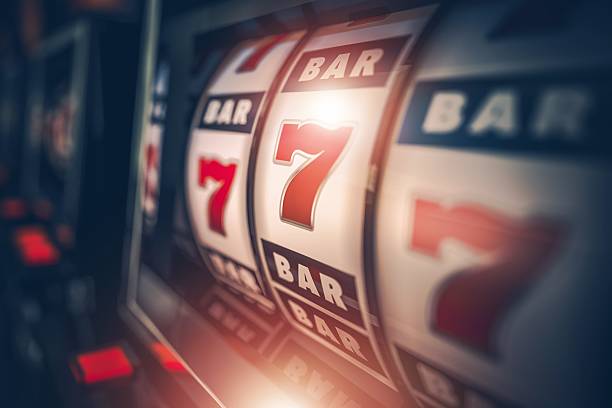
Additionally, the use of sensory stimulation—such as lights, sounds, and scents—plays a vital role in shaping the gaming experience. These elements are strategically employed to enhance the overall atmosphere, making the environment more appealing and encouraging longer play sessions. Casinos are not just places for games; they are carefully crafted experiences that leverage human psychology.
Supporting Resources for Gamblers
As the complexities of gambling psychology become more apparent, resources for those struggling with gambling habits are essential. Awareness of cognitive biases and emotional influences can aid individuals in making healthier choices. Organizations focused on gambling addiction provide support and education on how to navigate these psychological challenges.
The journey through the psychological aspects of casino gaming emphasizes the importance of understanding oneself as a player. By recognizing the influences at play, individuals can better manage their gaming choices and seek help if needed. Resources are available to assist those seeking to find balance and support during their gambling experiences.
